
Why choose thermo-boards for finishing the walls of the house?

Intro
Thermowood is a modern material for finishing housing, which is being chosen by more and more people due to its sustainable production and aesthetic qualities. The process of manufacturing thermowood boards involves heat treatment of wood, which reduces the moisture content and increases the strength of the boards. Compared to other finishing materials, such as vinyl siding and fiber cement boards, thermowood offers not only practical advantages, but also high visual appeal.
This article will conduct a detailed analysis of thermowood boards, comparing them with other materials, consider the impact of production on the environment and local factors affecting its availability in Latvia. Installation and maintenance aspects that are essential to ensure the long-term performance of thermowood planks will also be covered.
Thermowood production process and environmental sustainability
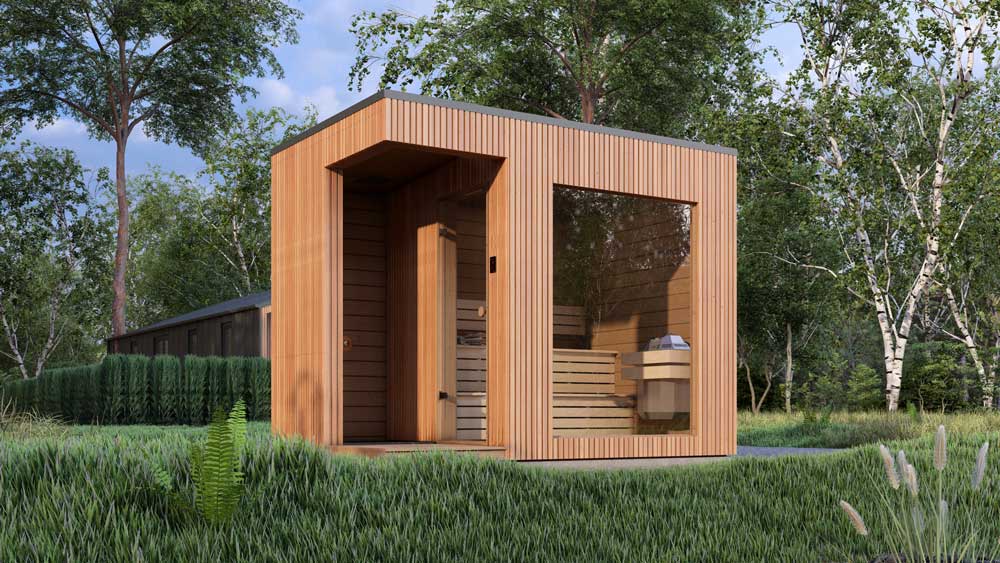
The process of manufacturing thermowood boards is complex, but it provides significant advantages in terms of quality and ecological sustainability. In the first stage of the process, the wood is gradually heated to 130 °C, reducing the moisture content to minimum limits. The temperature is then raised to 230 °C to kill pests and increase resistance to carrion and fungi.
In this process, only heat and steam are used, which makes it an environmentally friendly technology. Thermowood can extend the biological longevity of wood up to 15-25 times, reducing the need for frequent replacement. Studies have shown that the production process of thermowood does not require chemicals, which reduces the risk of environmental pollution.
Comparative analysis with other finishing materials
When comparing thermowood boards with other popular finishing materials, such as vinyl siding and fiber cement boards, it is essential to consider both durability and aesthetic characteristics. Thermowood boards have high resistance to scab and fungus, and their service life can reach 30 years. In turn, the service life of vinyl siding is from 20 to 40 years, but it can become brittle in the cold and deform in the heat.
Fiber cement boards are even more durable, have a service life of more than 50 years, and are highly resistant to moisture and fire. From an aesthetic point of view, thermowood planks provide a natural, warm look of wood, which contributes to the creation of a cozy atmosphere. Compared to vinyl siding, which may seem artificial and fade with time, thermowood retains its attractiveness for a long time.
Effect of board thickness on service life and performance
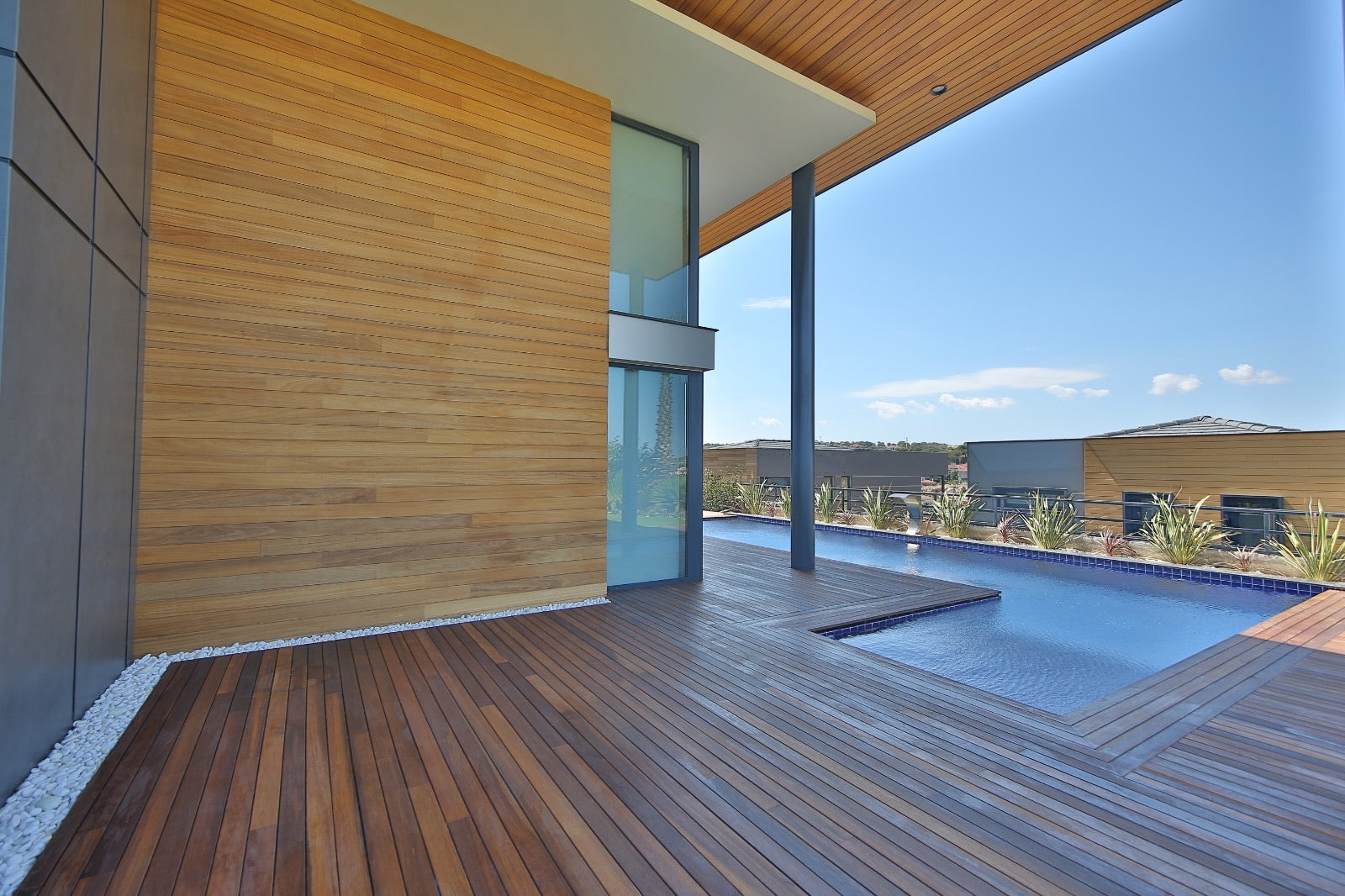
The thickness of the boards is one of the main factors affecting the service life and performance of thermowood boards. Studies have shown that thicker boards (24-26 mm) show higher resistance to moisture effects and better thermal insulation. Therefore, the recommended minimum thickness for exterior decoration is 19-21 mm, which ensures sufficient quality.
Local features affecting the availability of thermowood boards in Latvia
In Latvia, mainly local pine and spruce are used for the production of thermowood, which provide high quality raw materials. Climatic conditions with wet winters and warm summers contribute to the demand for moisture-resistant and long-lived raw materials.
Closing
When choosing thermowood boards for finishing the walls of the house, you can get a lot of advantages. This material combines a sustainable manufacturing process, excellent aesthetics and durability, and also reduces the need for frequent replacement.
More information about thermowood products is available at orrin.lv
Contact us
Tell us about your idea or needs and we will prepare a suitable solution. ORRIN team will provide a professional approach, quality materials and timely execution.